
Community
New records reveal timeline as police dig for missing man’s body in West Chester
By Julia Thompson
Advertisement · Why this ad?
Julia is a Cincinnati native with a strong passion for local issues, having spent the last three years writing for Cincinnati Magazine. She studied Journalism at the University of Cincinnati and focuses on neighborhood stories that inspire community engagement and action.
More from Julia →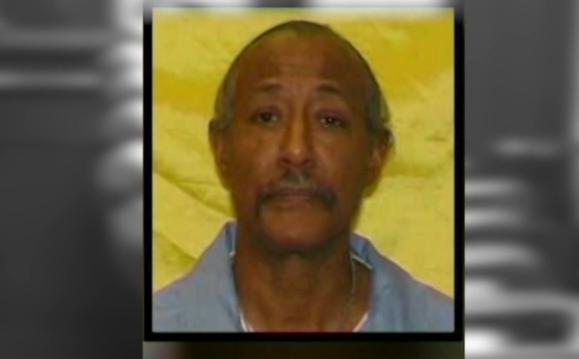
On a chilly Cincinnati morning, Cheryl Cole stands quietly outside the Ohio Department of Rehabilitation and Correction, clutching a folder of heartfelt letters from community members. Her eyes, filled with a mixture of sorrow and resolve, reflect the weight of a decision looming in the coming months. She’s not alone—police officers, community leaders, and her own family are rallying behind her plea: keep Roland Reaves behind bars. The man who took her husband’s life in 1974 is scheduled for a parole hearing in January 2027, more than five decades after the tragic night that forever changed her life.
Patrolman David Cole was a young officer just shy of his second wedding anniversary when he responded to a robbery in Cincinnati’s Walnut Hills neighborhood. It was a night that started like any other, filled with hope and dreams of building a future with his wife, Cheryl. But it ended in tragedy when Roland Reaves shot him three times, then forced his accomplice, Ricardo Woods, to shoot Cole again. Reaves’s actions left a permanent scar on the Cincinnati community and shattered the lives of those who loved him.
Reaves’s criminal history stretches back to Chicago, where he accumulated eight convictions, including assaults on his wife. His violent past culminated in a conviction for aggravated murder in Ohio, and he was sentenced to death in 1974. However, that sentence was later reduced to life imprisonment after Ohio’s death penalty was struck down in 1978. Reaves has been eligible for parole since then, and his upcoming hearing has reignited a fierce debate about justice, forgiveness, and community safety.
The voices of those who knew David Cole best are loud and clear in their opposition to Reaves’s release. Cheryl Cole, still visibly emotional, recounts the night her husband was taken from her. “I didn’t want to open the door because I knew they would have bad news for me,” she said, her voice trembling. “And I thought, if I don’t open it, they can’t tell me.” Her words echo the profound pain of a widow who has carried her grief for over 50 years.
Supporters argue that Reaves’s violent past and the brutality of his crime warrant continued incarceration. Ken Kober, representing the Cincinnati Fraternal Order of Police (FOP), emphasized the importance of protecting the community. “The least the state of Ohio can do is make sure the man that’s killed him never walks free,” Kober stated. The police union has actively encouraged the public to send letters to the Ohio Parole Board, urging them to uphold justice and honor Patrolman Cole’s memory.
The upcoming parole hearing in January 2027 will be a pivotal moment for Cincinnati and beyond. While Reaves has served more than five decades behind bars, the question remains: should he be released after such a long incarceration, or should justice be served by keeping him in prison? The Ohio Parole Board will weigh this decision carefully, considering public safety, the nature of the crime, and the wishes of the victim’s family. For Cheryl Cole and many others, the answer is clear—her husband’s killer should remain behind bars, where he cannot harm others again.
As the community prepares for this critical hearing, local leaders and residents are reminded of the importance of strong families, justice, and faith in a society that values redemption and accountability. The story of David Cole is a stark reminder of the costs of violence and the enduring power of community and faith to heal wounds that time alone cannot mend. The coming months will reveal whether justice, compassion, or a complex mix of both will guide Ohio’s decision on Roland Reaves’s future.
Cincinnati, a city with a rich history of resilience and renewal, has long grappled with issues of violence and justice. The city’s neighborhoods, once thriving centers of commerce and community, have faced economic hardships, social disparities, and crime waves over the decades. Walnut Hills, where Patrolman Cole was killed, is a neighborhood that has seen significant changes since the 1970s. Once a bustling hub for African American culture and business, it has struggled with disinvestment but is now experiencing a renaissance through local revitalization efforts.
Community leaders, local activists, and faith organizations have been working tirelessly to reduce violence and foster community healing. Cincinnati’s police department has implemented community policing initiatives aimed at building trust and reducing crime. Yet, incidents like the killing of Patrolman Cole serve as stark reminders of the work that remains. The city’s residents often feel caught between the desire for justice and the hope for reconciliation, especially when dealing with cases that span multiple generations.
Cheryl, now in her late 70s, has dedicated her life to advocating for justice in her husband’s case. She has become a prominent voice in Cincinnati’s community efforts to prevent violence and support victims’ families. Her advocacy has included speaking at city council meetings, participating in memorial events, and organizing community forums to discuss justice and reconciliation. Her resilience is a testament to the enduring strength of those who have lost loved ones to violence.
Reaves, now in his late 70s, has spent more than 50 years behind bars. His supporters argue that he has served his time and deserves a second chance, citing his age and health concerns. Critics contend that his violent history and the brutality of his crime make his release unacceptable, especially given the pain it inflicts on families like the Cole’s. The parole board’s decision will likely be influenced by a complex assessment of his conduct in prison, his remorse, and the safety of the community.
The Cincinnati Police Department continues to advocate for justice and community safety, emphasizing the importance of accountability. The Fraternal Order of Police (FOP) has been vocal in its opposition to Reaves’s release, framing it as a matter of honoring fallen officers and protecting the community. Meanwhile, victim advocacy groups and faith organizations have called for compassion and restorative justice, urging a balanced approach that considers both safety and healing.
This case is more than just a legal matter; it’s a reflection of Cincinnati’s ongoing struggle with its past and its hopes for the future. For many residents, the case embodies the pain inflicted by violence but also the community’s resilience. The decision made by the parole board will send a message about Cincinnati’s values—whether it prioritizes punishment, redemption, or a nuanced combination of both.
Moreover, the case has sparked broader conversations about justice reform, aging inmates, and the rights of victims’ families. It highlights the importance of community engagement in criminal justice decisions, especially for cases that resonate deeply within neighborhoods and families. Cincinnati’s response to this hearing could influence how the city approaches similar cases in the future, fostering a dialogue about balancing compassion with accountability.
In the coming months, community members will organize rallies, write letters, and meet with officials to voice their opinions. The Ohio Parole Board’s decision will hinge on multiple factors: the inmate’s behavior in prison, his health, the nature of his crime, and the impact on the Cole family. Public hearings and community forums are expected to be part of the process, providing platforms for residents to share their perspectives.
For Cheryl Cole, the outcome is deeply personal. She hopes that her husband’s memory will guide the decision, ensuring that justice is served and that no other family has to endure the pain she has carried for over 50 years. Her story continues to inspire many in Cincinnati, reminding everyone of the importance of justice, community, and healing.
As Cincinnati awaits the parole board’s decision, the city remains united in its hope for a resolution that honors the memory of Patrolman David Cole while safeguarding the community’s future. The coming weeks will be critical in shaping Cincinnati’s ongoing journey toward justice and reconciliation.
By Julia Thompson
By Rashida Ali
By Lila Washington
By Michelle Rivera