
Community
A third weekend of protests in France as youth-led rallies sweep Europe
By Evan Fields
Advertisement · Why this ad?
Julia is a Cincinnati native with a strong passion for local issues, having spent the last three years writing for Cincinnati Magazine. She studied Journalism at the University of Cincinnati and focuses on neighborhood stories that inspire community engagement and action.
More from Julia →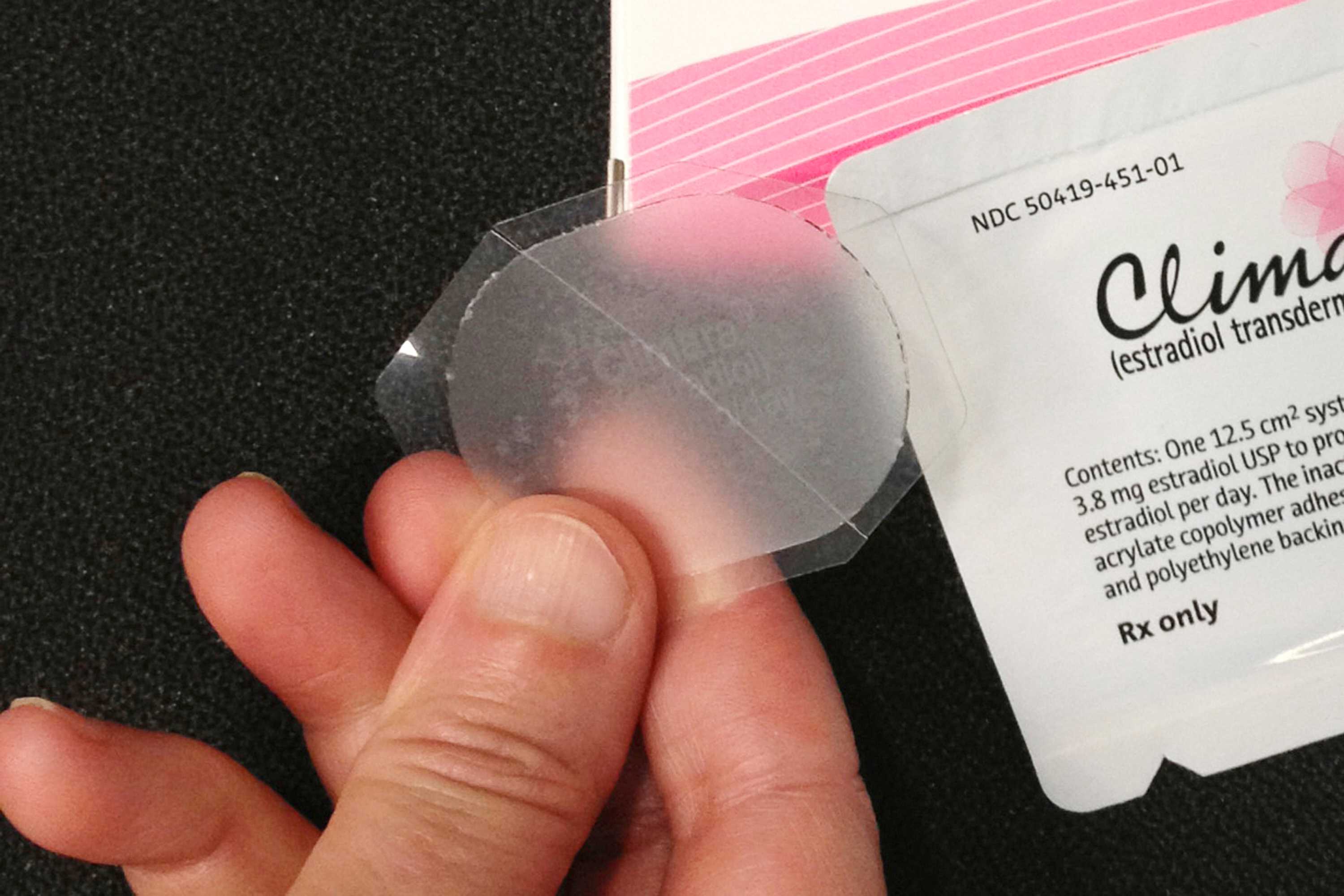
As the sun dipped below the horizon, casting a warm glow over Cincinnati, I found myself sitting across from Mary, a vibrant 52-year-old woman whose laughter filled the room. Yet, beneath her cheerful demeanor lay a struggle that many women face: the unpredictable and often disruptive symptoms of menopause. Mary shared her recent experiences with hot flashes and sleepless nights, and as she spoke, it became clear that her story was not unique. For the first time in over a decade, the North American Menopause Society (NAMS) has released updated guidance on how to manage these symptoms, offering hope and clarity to women like Mary.
The new recommendations from NAMS come at a critical time, addressing the challenges that women face during menopause. Hot flashes, night sweats, and sleep disturbances can severely impact quality of life, yet many women feel unprepared to tackle these changes. The last update from NAMS was in 2012, highlighting the need for fresh insights and strategies to support women navigating this life transition.
According to the latest guidelines, hormone therapy remains the most effective treatment for alleviating menopausal symptoms. However, the updated guidance emphasizes a more personalized approach, encouraging women to discuss their symptoms and treatment options with their healthcare providers. This shift aims to empower women to make informed decisions about their health and well-being.
Dr. JoAnn V. Pinkerton, the executive director of NAMS, stated, "We want to ensure that women are aware of their options and can make choices that suit their individual needs." These words resonate deeply in a world where women often juggle multiple roles and responsibilities, making it essential to prioritize their health.
Menopause is a natural biological process that typically occurs between the ages of 45 and 55. It marks the end of a woman's reproductive years and is characterized by a decline in hormone levels, particularly estrogen. For many women, this hormonal shift leads to a range of symptoms, including hot flashes, night sweats, mood changes, and sleep disturbances.
Hot flashes, which can cause sudden feelings of warmth, often followed by sweating, affect approximately 75% of women during menopause. Night sweats can disrupt sleep, leaving women feeling fatigued and irritable. In addition, mood swings and anxiety can accompany these physical symptoms, creating a challenging emotional landscape.
Understanding these symptoms is the first step toward managing them effectively. Many women, like Mary, may feel isolated in their experiences, but it’s crucial to recognize that they are not alone. The updated NAMS guidelines encourage open conversations about menopause, fostering an environment where women can share their experiences and seek support from one another.
The impact of menopause extends beyond individual experiences; it reverberates throughout families and communities. As mothers, daughters, and friends navigate this transition, the support they receive can significantly affect their well-being. Local organizations and healthcare providers in Cincinnati are stepping up to offer resources and support for women facing menopause.
For instance, the Cincinnati Health Department has initiated programs aimed at educating women about menopause and its symptoms. These programs provide a platform for women to learn about their health and connect with others facing similar challenges. Additionally, local support groups are forming, allowing women to share their stories and strategies for coping with menopause.
Mary expressed her gratitude for these resources, saying, "Having a community that understands what I’m going through makes a world of difference. I no longer feel like I’m facing this alone." This sentiment is echoed by many women who find strength in shared experiences and collective wisdom.
As women in Cincinnati and beyond navigate the complexities of menopause, it’s essential to stay informed about the latest guidelines and treatment options. The NAMS recommendations underscore the importance of individualized care, encouraging women to engage in meaningful conversations with their healthcare providers.
Women should feel empowered to ask questions and advocate for their health. Whether considering hormone therapy or exploring alternative treatments, understanding the benefits and risks associated with each option is crucial. The updated guidelines also highlight the role of lifestyle changes, such as diet and exercise, in managing symptoms effectively.
Additionally, mental health support is a vital component of menopause management. Many women experience anxiety and depression during this time, and seeking professional help can make a significant difference. Local mental health resources, such as the Cincinnati Behavioral Health Services, offer support tailored to women’s unique needs.
In the heart of Cincinnati, women seeking support for menopause can access a wealth of resources. The North American Menopause Society provides comprehensive information and tools for women to understand their symptoms and treatment options. Their website offers a range of educational materials, including a symptom tracker and a directory of healthcare providers specializing in menopause.
Local healthcare providers, such as TriHealth and UC Health, also offer specialized programs and services for women experiencing menopause. From educational seminars to personalized treatment plans, these organizations are committed to supporting women during this transitional phase of life.
Moreover, community centers and libraries often host workshops and discussions focused on menopause, providing a safe space for women to learn and share their experiences. These initiatives foster a sense of community and solidarity, reminding women that they are not alone in their journey.
As we look to the future, it’s clear that the conversation around menopause is evolving. The updated NAMS guidelines mark a significant step toward empowering women to take control of their health and well-being. By fostering open discussions and providing access to resources, we can create a supportive environment for women navigating this life transition.
Mary’s story is just one of many, but it illustrates the importance of community, support, and informed decision-making. As women in Cincinnati embrace this new guidance, they can find solace in knowing that they are part of a larger movement advocating for their health and well-being.
In closing, let us celebrate the strength and resilience of women as they navigate the challenges of menopause. With the right resources and support, they can emerge from this transition not only unscathed but empowered to embrace the next chapter of their lives.
By Evan Fields

By Julia Thompson

By Evan Fields

By Evan Fields