Community
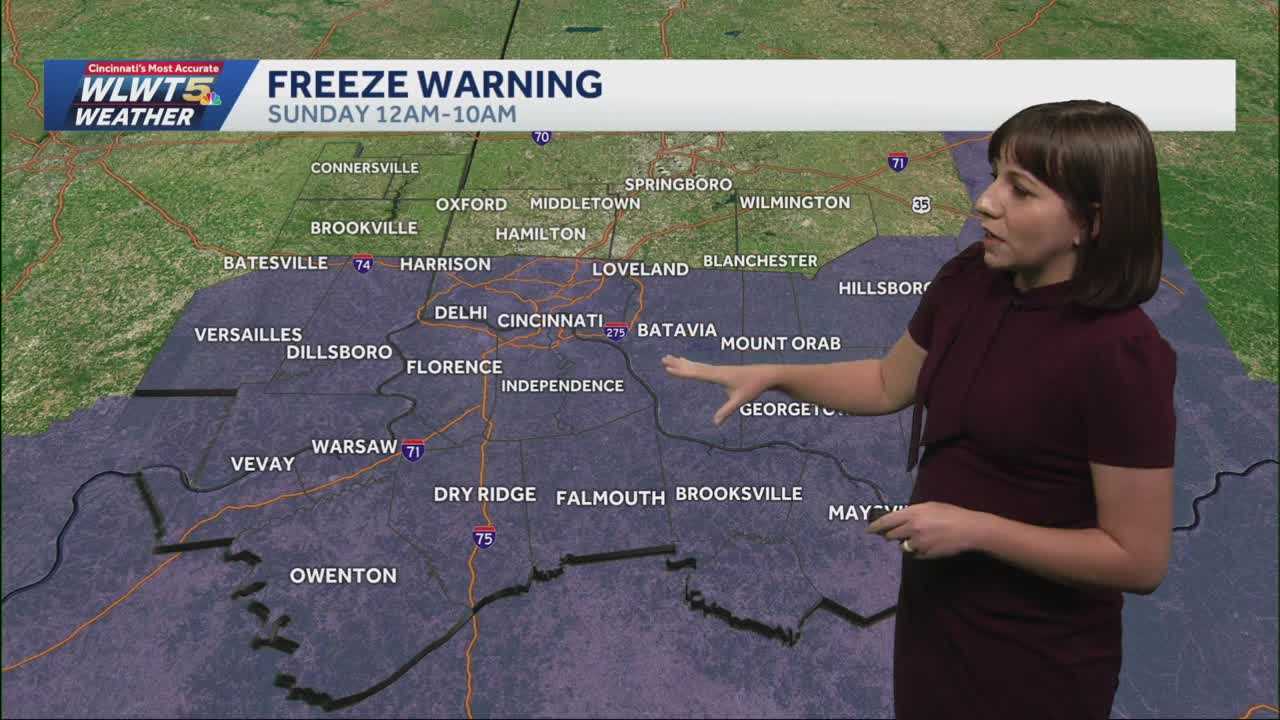
Freeze warning in place for Greater Cincinnati tonight
By Julia Thompson
Advertisement · Why this ad?
Julia is a Cincinnati native with a strong passion for local issues, having spent the last three years writing for Cincinnati Magazine. She studied Journalism at the University of Cincinnati and focuses on neighborhood stories that inspire community engagement and action.
More from Julia →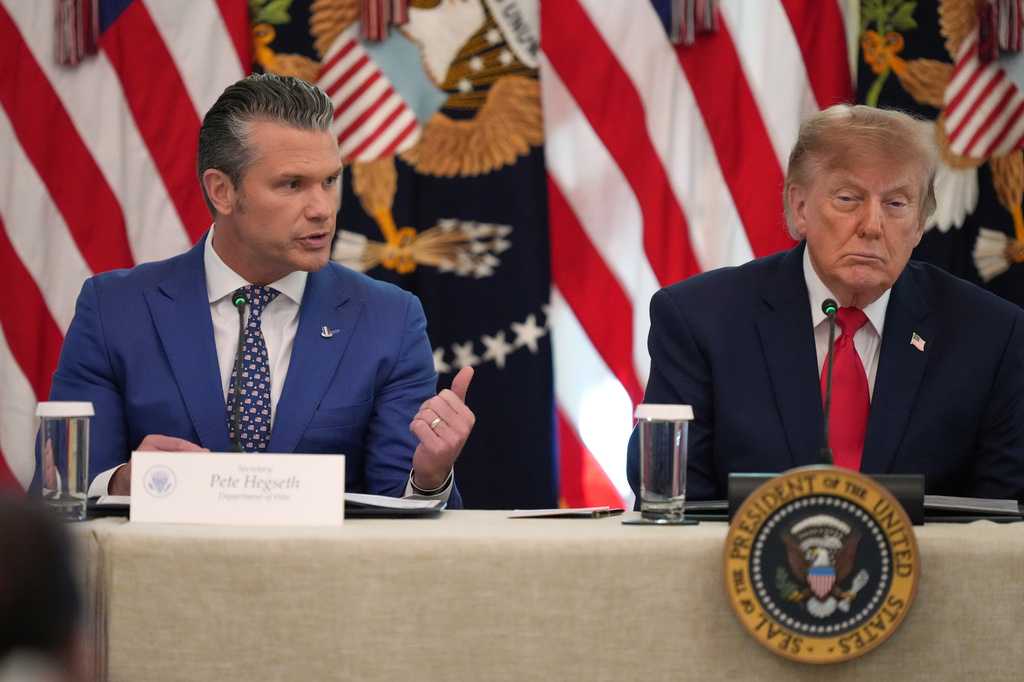
As the figures climb to an astonishing $47.1 billion, many families in Cincinnati are left wondering how these costs will impact their own financial futures. At the heart of this statistic lies the everyday American, grappling with the weight of war far from their front doors. This growing financial burden, though seemingly distant, casts a long shadow over kitchen tables and community planning meetings right here in the Queen City.
The estimated cost of the Iran War to American taxpayers has escalated to a staggering $47.1 billion. This new, substantial figure was recently provided by the Pentagon in its latest assessment submitted directly to Congress, highlighting the immense and ongoing financial commitment associated with the conflict. For many, such a sum is difficult to comprehend, yet its implications are deeply felt across the nation, including within the vibrant neighborhoods of Cincinnati.
This $47.1 billion represents more than just an abstract number in a federal report; it signifies a significant portion of the national budget being allocated to overseas operations. The Pentagon's updated estimate reflects the cumulative expenses associated with military deployments, logistical support, intelligence gathering, and various operational costs tied to the ongoing engagement in the region. Such figures are crucial for lawmakers as they deliberate on national priorities and fiscal responsibilities.
For American taxpayers, this growing financial burden translates into real dollars that could otherwise be invested domestically. Every dollar spent on national defense, while vital for security, is a dollar that isn't directly supporting local services, infrastructure improvements, or educational initiatives in communities like ours. The continuous updates from the Pentagon serve as a stark reminder of the long-term financial implications of international conflicts on the home front.
When we hear numbers like $47.1 billion for the cost of a conflict, it's easy for our eyes to glaze over, but for families right here in Cincinnati, that's real money that could be supporting our schools, our infrastructure, or easing the burdens on our hardworking neighbors. The City of Cincinnati, like many municipalities, relies on a complex web of federal, state, and local funding to operate and grow. When national resources are heavily directed towards distant conflicts, the ripple effect can be felt in local budgets and community programs.
Consider the potential impact on local education. Our children deserve the best possible start, and strong schools are the bedrock of any thriving community. Resources that might otherwise bolster Cincinnati Public Schools or fund vital after-school programs are indirectly affected by these national expenditures. Similarly, investments in our city's infrastructure, from road repairs to public transportation, often depend on federal aid and grants, which can become constrained when the national purse is stretched thin by military commitments.
The burden of war affects the local economy, influencing everything from school funding to infrastructure improvements, and ultimately, the financial well-being of individual households. Local families often feel the pinch through various avenues, whether it's through the broader economic climate, the availability of public services, or even the general sentiment of economic uncertainty. Many are trying to make ends meet, balancing household budgets, and planning for their children's futures.
Our community is also home to countless veterans who have served our nation with honor and courage. Their experiences and sacrifices remind us of the profound human cost of conflict, beyond the monetary figures. Organizations like the Cincinnati VA Medical Center and local veteran support groups work tirelessly to assist those who have borne the brunt of these distant wars. Their stories underscore the importance of ensuring that our national spending priorities reflect both our defense needs and our commitment to those who serve and their families.
Furthermore, the strength of our community often lies in the stability of its families. When economic pressures mount, it can place additional strain on households, making it harder for parents to provide for their children and maintain strong, committed marriages. A stable home environment, built on love, faith, and mutual support, is the foundation of a resilient society. The societal costs of economic instability, which can sometimes be exacerbated by large national expenditures, can ripple through families and impact community cohesion.
Amidst the financial strain, there is a collective resilience as families unite to confront the challenges posed by distant conflicts. Cincinnati has a rich history of community engagement and mutual support. Local initiatives, neighborhood associations, and faith-based organizations often step up to fill gaps and provide assistance where needed, demonstrating the enduring spirit of our city. Resources like the United Way of Greater Cincinnati play a crucial role in coordinating efforts to support families facing hardship.
Understanding the full scope of national spending is essential for informed civic engagement. Residents can stay informed about local government decisions and budget allocations through the City of Cincinnati Official Website and by engaging with their elected officials. Organizations like the Cincinnati USA Regional Chamber also provide insights into the local economic landscape and advocate for policies that support business growth and job creation, which are vital for family prosperity.
As the nation grapples with the financial realities of ongoing global commitments, it becomes increasingly important for communities like Cincinnati to advocate for balanced priorities. This includes not only robust national defense but also sustained investment in the foundations of American life: strong families, quality education, reliable infrastructure, and thriving local economies. The conversation around the $47.1 billion cost of the Iran War is not just about numbers; it's about the future we are building for our children and the legacy we leave for generations to come.
Local non-profits and community groups continue to be vital in addressing the needs of residents. For instance, organizations focused on family support, such as those listed by the Cincinnati Children's Hospital Medical Center in their community health initiatives, often provide critical services that help families navigate economic challenges. Similarly, local food banks and assistance programs, often found through resources like 211.org, offer immediate relief to those struggling.
The ongoing dialogue between the Pentagon and Congress regarding these costs underscores the continuous evaluation required for national security strategies. For residents of Cincinnati, this dialogue translates into a keen interest in how national decisions ultimately shape the local landscape. Engaging with representatives, understanding local economic trends through resources like the Federal Reserve's economic data, and supporting local businesses are all ways to contribute to a resilient community. As residents gather at local parks, their laughter mingles with the weight of their worries, a reminder that even in tough times, community bonds can shine brightly, upholding the American dream of stable, loving households and a prosperous future for all.
By Julia Thompson

By Evan Fields

By Julia Thompson

By Julia Thompson